Explainer-What is OPEC+ and how does it affect oil prices?
The United Arab Emirates is set to leave OPEC+ on May 1, marking a significant shift in the oil alliance that has historically influenced global oil markets. OPEC+, which includes OPEC members and allied producers like Russia, coordinates production to stabilize oil prices and currently accounts for nearly half of global oil output. Geopolitical disruptions, such as the U.S.-Iran war and closure of the Strait of Hormuz, have recently reduced Gulf producers' output and export capacity. OPEC+ adjusts supply in response to market conditions, though it faces criticism for allegedly manipulating prices.
Opening excerpt (first ~120 words) tap to expand
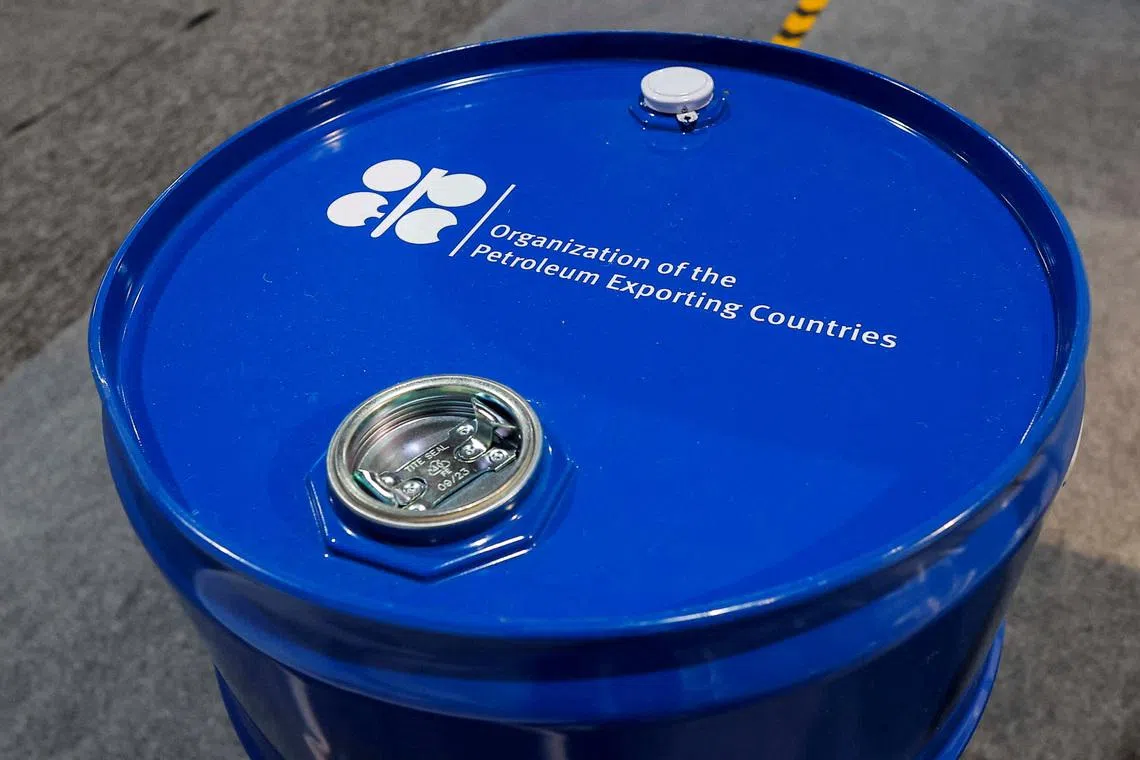
Explainer-What is OPEC+ and how does it affect oil prices?Sign up now: Get ST's newsletters delivered to your inboxFILE PHOTO: An installation depicting barrel of oil with the logo of Organization of the Petroleum Exporting Countries (OPEC) is seen during the COP29 United Nations climate change conference in Baku, Azerbaijan November 19, 2024. REUTERS/Maxim Shemetov/File PhotoPublished Apr 29, 2026, 01:03 AMUpdated Apr 29, 2026, 01:08 AMListenLONDON, April 28 - The United Arab Emirates, one of OPEC+'s largest producers, will leave the oil producers' alliance on May 1, it said on Tuesday.The Organization of the Petroleum Exporting Countries and allies, including Russia, are known collectively as OPEC+.
…
Excerpt limited to ~120 words for fair-use compliance. The full article is at Straits Times — World.
Discussion
0 commentsMore from Straits Times — World