Designing an FPGA Calculator from Scratch
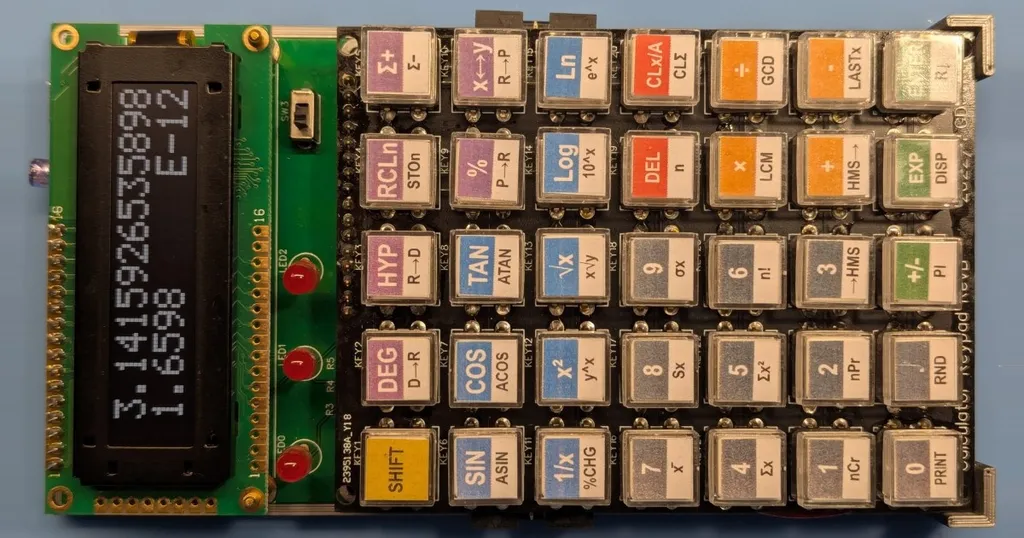
The article discusses the process of designing a scientific BCD calculator using an FPGA. It details the architectural decisions, numerical algorithms, and custom CPU design involved in the project. The author emphasizes the importance of testing each component thoroughly to ensure accuracy in calculations.
- ▪The calculator uses binary-coded decimals for perfect decimal accuracy.
- ▪A custom CPU designed for the calculator runs on an Altera Cyclone II FPGA.
- ▪The project is divided into ten chapters, covering everything from algorithms to the physical device.
Opening excerpt (first ~120 words) tap to expand
Designing an FPGA Calculator from scratch Try in Browser ▶ Calculator WebAssembly · runs in browser ▶ Calculator + Debugger WebAssembly · runs in browser 10 chapters · last updated May 16, 2026 This is a scientific BCD calculator that uses binary-coded decimals, the same internal number format HP used in its scientific calculators going back to the 1970s. It represents every decimal digit as a 4-bit nibble, which means perfect decimal accuracy, no floating-point conversion errors, and an architecture that is genuinely shaped by the problem it solves. To make that work cleanly, we also design a custom CPU that thinks in nibbles too.
…
Excerpt limited to ~120 words for fair-use compliance. The full article is at Baltazar Studios.
Discussion
0 commentsMore from Baltazar Studios