Conquering the final frontiers in nanographene synthetic methodologies
Researchers at Nagoya University have developed a new methodology for synthesizing nanographenes, focusing on the challenging L-region of polycyclic aromatic hydrocarbons (PAHs). This L-APEX reaction allows for selective modifications that enhance the electronic properties of PAHs, which are crucial for applications in technology. The findings, published in the journal Chemical Science, are expected to expand the versatility of nanographene technologies.
- ▪Nanographenes are used in smartphones, OLED displays, and solar cells.
- ▪The L-region of PAHs has been difficult to target until the development of the L-APEX reaction.
- ▪The new methodology allows for selective modifications that can enhance the electronic properties of PAHs.
Opening excerpt (first ~120 words) tap to expand
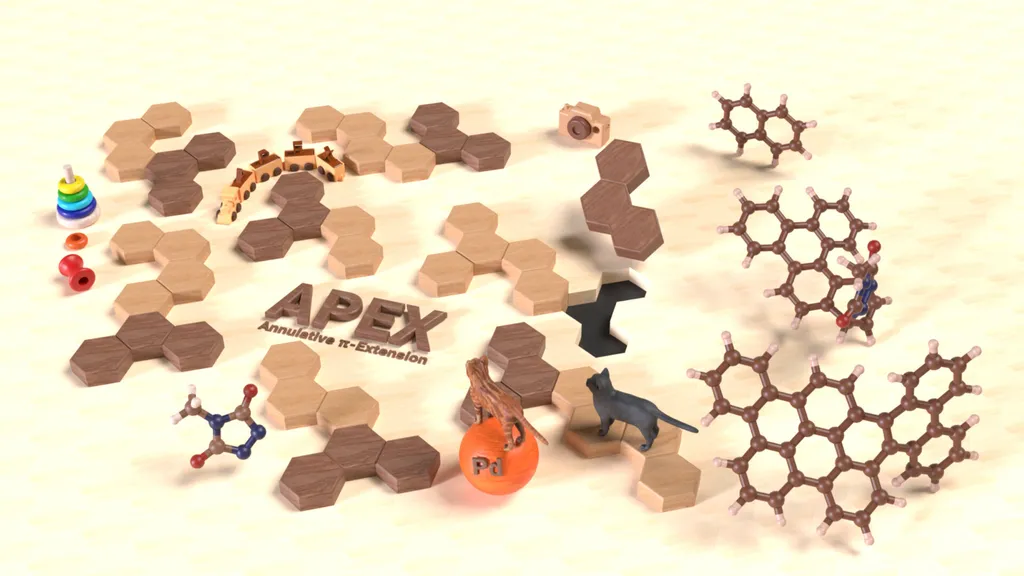
April 28, 2026 Conquering the final frontiers in nanographene synthetic methodologies by Institute of Transformative Bio-Molecules (ITbM), Nagoya University edited by Gaby Clark, reviewed by Robert Egan Gaby Clark Scientific Editor Meet our editorial team Behind our editorial process Robert Egan Associate Editor Meet our editorial team Behind our editorial process Editors' notes This article has been reviewed according to Science X's editorial process and policies. Editors have highlighted the following attributes while ensuring the content's credibility: fact-checked peer-reviewed publication trusted source proofread The GIST Add as preferred source Building PAH molecules from APEX reactions.
…
Excerpt limited to ~120 words for fair-use compliance. The full article is at Phys.org.
Discussion
0 commentsMore from Phys.org