Compliance wall: China rewriting world’s agriculture trade rules
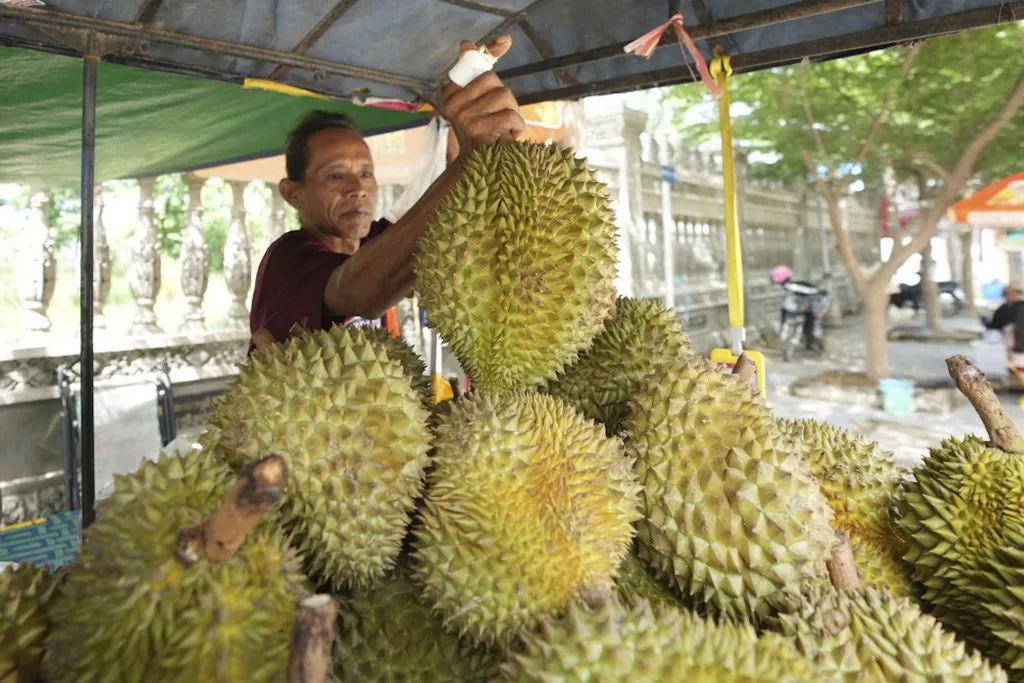
China's updated import rules are reshaping agricultural trade across Asia, emphasizing environmental compliance and transparency. While Brazil adapts by securing premium beef exports, Vietnam's durian industry struggles with halted exports due to safety violations. The evolving standards signal a shift in China's role from a mere buyer to a regulator influencing global agricultural practices.
- ▪China's new import rules are restructuring supply chains in Asia.
- ▪Brazil is securing premium beef exports by meeting China's environmental standards.
- ▪Vietnam's durian exports have plummeted due to banned chemical residues in shipments.
Opening excerpt (first ~120 words) tap to expand
Sharp contrasts have emerged across Asia’s agricultural trade landscape, revealing how China’s updated import rules are restructuring supply chains throughout the region. In Brazil’s Sao Paulo, Chinese meat buyers are willing to pay a premium for beef certified free from deforestation. A purchasing team from the Tianjin Meat Industry Association, driving shifts in China’s consumption habits, pledged to secure 50,000 tons of qualified products by the end of 2026. It clearly signals that transparency and environmental compliance have become core purchasing priorities for Chinese importers. Halfway across Southeast Asia, Vietnam’s durian industry faces a starkly different fate.
…
Excerpt limited to ~120 words for fair-use compliance. The full article is at Asia Times.
Discussion
0 commentsMore from Asia Times