CodeSpectra the Illusion of Easy Coding: Why AI Still Demands Effort
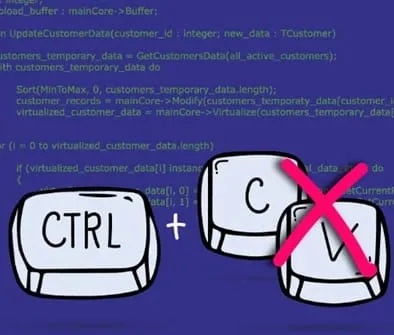
CodeSpectra is a new tool designed to detect various forms of code plagiarism in student submissions. It employs a four-stage cascade of detection techniques to identify similarities in code that traditional methods may miss. The tool aims to assist educators in maintaining academic integrity while adapting to the challenges posed by AI-generated solutions.
- ▪CodeSpectra uses a four-stage process to detect different types of code plagiarism.
- ▪The first stage employs exact-match hashing to identify direct copies of submissions.
- ▪Subsequent stages utilize normalization techniques and machine learning to catch more sophisticated forms of plagiarism.
Opening excerpt (first ~120 words) tap to expand
CodeSpectra The Illusion of Easy Coding: Why AI Still Demands Effort May 15, 2026 AI coding assistants changed the game overnight. A student who once needed hours to copy and rewrite a classmate's submission can now prompt ChatGPT, get a structurally identical solution in seconds, and submit it with a clean conscience – because the variable names are different. Traditional plagiarism checkers compare files as strings. Rename a variable or swap a loop style, and they go blind. We built a tool named CodeSpectra with the help of a four-stage cascade of detection techniques, each designed to catch the tricks the previous stage misses."Automation should assist educators – not replace their judgment."CodeSpectra processes every student submission through a cascade: each stage is tuned for a…
Excerpt limited to ~120 words for fair-use compliance. The full article is at Ptidej Team Blog.
Discussion
0 commentsMore from Ptidej Team Blog