China to boost trade for US agricultural products including beef, poultry
China has agreed to increase its imports of U.S. agricultural products, including beef and poultry, as part of a new trade agreement. The deal aims to support American farmers affected by the ongoing trade war and includes commitments for annual purchases of $17 billion for the years 2026 to 2028. Both countries will work to resolve various trade barriers and expand market access for agricultural goods.
- ▪China will ramp up imports of U.S. agricultural products, committing to an annualized rate of $17 billion for 2026 to 2028.
- ▪The agreement includes restoring market access for U.S. beef and resuming poultry imports from certain U.S. states.
- ▪The U.S. and China will address non-tariff barriers and market access issues related to agricultural goods.
Opening excerpt (first ~120 words) tap to expand
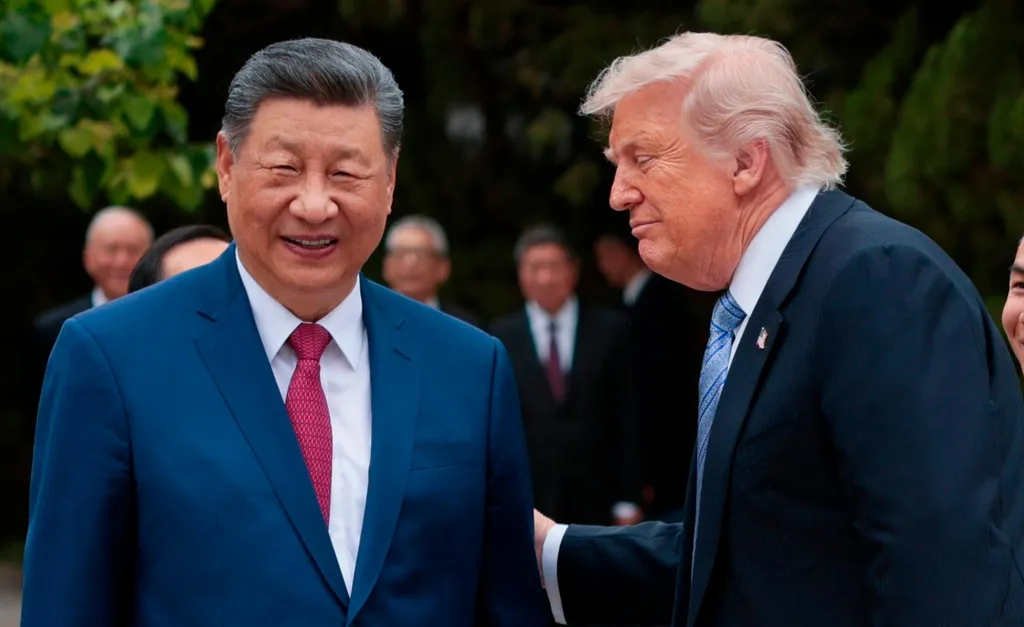
U.S. President Donald Trump, right, speaks with Chinese President Xi Jinping while leaving after a visit to the Zhongnanhai Garden in Beijing, Friday, May 15. AP-YonhapWASHINGTON — China has agreed to ramp up trade for U.S. agricultural products such as beef and poultry, buying at an annualized rate of $17 billion per year for 2026 and at that level for 2027 and 2028, the White House announced Sunday, two days after President Donald Trump returned from a high-stakes summit in Beijing where he sought to ease the impact on American farmers from the trade war he launched last year.China would restore market access for U.S. beef and resume imports of poultry from U.S. states determined by the U.S. Department of Agriculture to be free of the bird flu, the White House said.
…
Excerpt limited to ~120 words for fair-use compliance. The full article is at Korea Times.
Discussion
0 commentsMore from Korea Times