China: The Limits of Transactional Diplomacy
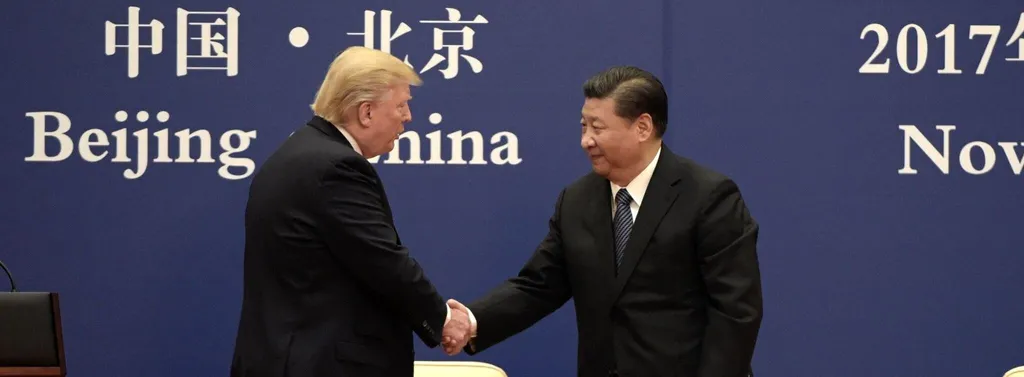
Trump's 2026 visit to China achieved little in terms of diplomatic or strategic breakthroughs, highlighting the limitations of transactional diplomacy. The trip underscored the failure of decades-long U.S. assumptions that economic engagement would liberalize China. Instead, it revealed a growing systemic and ideological challenge posed by the Chinese Communist Party's state-directed model.
- ▪Nixon’s 1972 visit to China marked the beginning of U.S. engagement policy, which many now believe failed to transform China into a more open society.
- ▪Trump’s 2026 visit focused on trade and economic deals but avoided addressing the fundamental issue of the CCP’s authoritarian governance and its 'China Inc.' model.
- ▪China operates as a state-directed corporation where the boundary between the party, state, and business is deliberately blurred to advance long-term geopolitical goals.
- ▪The visit exposed America’s strategic uncertainty and reluctance to confront the nature of the Chinese regime despite its systemic challenges to the democratic world.
- ▪Xi Jinping’s China pursues long-term strategic objectives, contrasting with Trump’s transactional approach driven by domestic economic pressures.
Opening excerpt (first ~120 words) tap to expand
Nixon’s 1972 visit to China is widely remembered as one of the great diplomatic turning points of the 20th century. It opened the door between the United States and Communist China, reshaped the Cold War balance against Soviet Union, and seemed to serve American interests.But history has a way of revising reputations.Today, many Americans increasingly view that opening differently. Nixon’s visit helped rescue the Chinese Communist Party at a moment when Maoist rule had pushed the country toward political, economic, and moral bankruptcy.
…
Excerpt limited to ~120 words for fair-use compliance. The full article is at The American Spectator | USA News and Politics.
Discussion
0 comments