China launches 'human artificial embryos' to space in bid to see whether reproduction is possible off-world
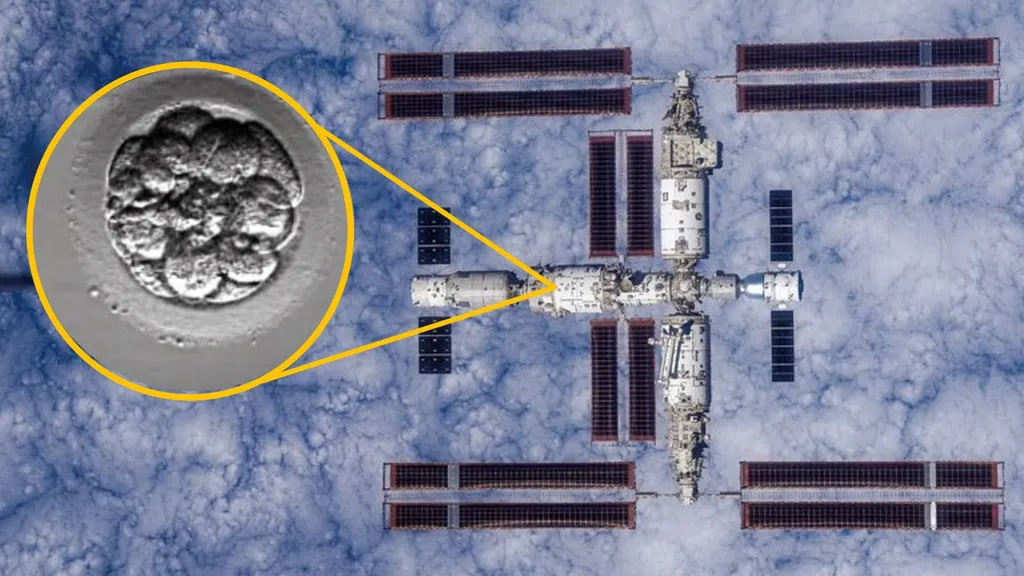
China has successfully launched 'human artificial embryos' into space as part of its Tianzhou-10 mission. These embryo-like structures, made from living stem cells, aim to explore the effects of microgravity and radiation on human reproduction. The experiment could provide insights crucial for future space colonization efforts on the moon and Mars.
- ▪The artificial embryos were delivered to China's Tiangong space station on May 11.
- ▪These structures are made from stem cells and cannot develop into a fetus, minimizing ethical concerns.
- ▪The embryos will be analyzed after being frozen and returned to Earth following a five-day growth period.
Opening excerpt (first ~120 words) tap to expand
Space Space Exploration China launches 'human artificial embryos' to space in bid to see whether reproduction is possible off-world China's Tianzhou-10 mission just delivered embryo-like structures made from living stem cells to the Tiangong space station. Experiments could shed light on how radiation and microgravity affect human reproduction. By Harry Baker published 24 May 2026 in News When you purchase through links on our site, we may earn an affiliate commission. Here’s how it works. "Human artificial embryos" have been sent into space for the first time. The ground-breaking structures, made from living stem cells, arrived on China's Tiangong space station on May 11 and will soon return to Earth.
…
Excerpt limited to ~120 words for fair-use compliance. The full article is at Live Science.
Discussion
0 commentsMore from Live Science