China Launched Artificial Embryos to Orbit to Find Out If We Can Have Space Babies
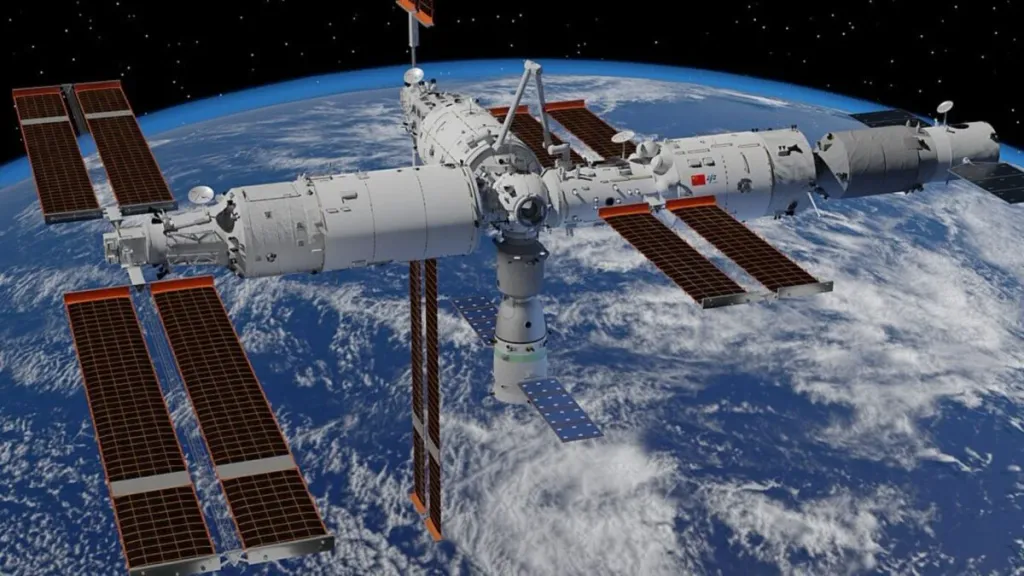
China has launched artificial embryos made from human stem cells to its Tiangong space station to study early human development in microgravity. The experiment aims to understand the effects of space on embryonic growth, which is crucial for future human reproduction in space. Researchers hope to identify risks and challenges associated with long-term space habitation through this groundbreaking study.
- ▪The artificial embryos were launched aboard the Tianzhou-10 cargo craft and spent five days in low-Earth orbit.
- ▪The experiment includes two types of models representing different phases of embryonic development.
- ▪Identical samples were also studied on Earth to compare the effects of microgravity on embryonic growth.
Opening excerpt (first ~120 words) tap to expand
Humanity’s looming ambition to colonize the Moon and Mars faces one major obstacle: our ability to reproduce beyond Earth. While we’re nowhere near making space babies just yet, now may be the time to begin understanding the exact risks of trying. An experiment aboard the Chinese space station could help provide some answers.cnx.cmd.push(function(){cnx({"playerId":"92b7b46b-43ed-4e0e-b21b-2c999302d9d7","settings":{"advertising":{"macros":{"AD_UNIT":"/23178111854/od.gizmodo.com/article","CHILD_UNIT":"article","POST_ID":"2000763169","POST_TYPE":"post","CHANNEL":"science","SECTION":"space","SUBSECTION":"","CATEGORIES":"space","TAGS":"china,human-reproduction,tiangong","NOP":"0"},"timeBeforeFirstAd":0}}}).render("cnx-player-main")}); China launched embryo-like structures made from living…
Excerpt limited to ~120 words for fair-use compliance. The full article is at Gizmodo.
Discussion
0 commentsMore from Gizmodo