ChatGPT Isn't Just Changing How We Work. It's Harming How We Think
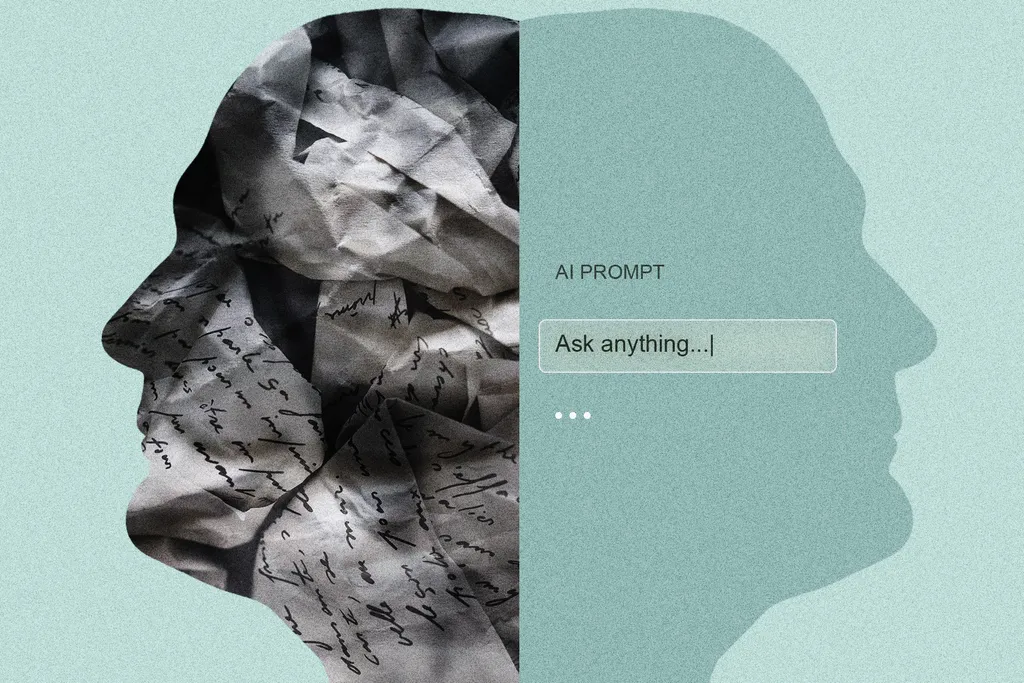
Recent research indicates that the cognitive costs of AI, particularly generative models like ChatGPT, may be more significant than previously thought. While proponents argue that AI changes how we work rather than how we think, evidence suggests it may impact cognitive processes and creativity. This raises concerns about the implications of AI on the inner life of writers and the quality of human expression.
- ▪Generative AI can automate tasks that once required deep focus, shifting the effort from composing to supervising.
- ▪Studies show that ChatGPT leads professional writers to spend less time on rough drafting and more on editing and idea generation.
- ▪There is growing concern that AI may drain language of its soul and affect the cognitive processes of adults.
Opening excerpt (first ~120 words) tap to expand
TechnologyChatGPT Isn’t Just Changing How We Work. It’s Harming How We ThinkNew research says the cognitive costs of AI may be higher than we realize June 3, 2026June 3, 2026 - by Sheldon FernandezSheldon Fernandez Updated 8:37, Jun. 3, 2026 | Published 6:30, Jun. 3, 2026 Gustavo Sánchez, Marcus Ganahl (Unsplash) / Alana Enahoro A Relic. Several years from now, I wonder if these two words might describe the very paragraph you are reading right now, a collection of sentences drafted painstakingly by a human author. It underwent multiple iterations—editorial notes included—before the final version confronting you.
…
Excerpt limited to ~120 words for fair-use compliance. The full article is at The Walrus.
Discussion
0 commentsMore from The Walrus