Can Smart Glasses Ever Be Privacy-Friendly? These Companies Think So
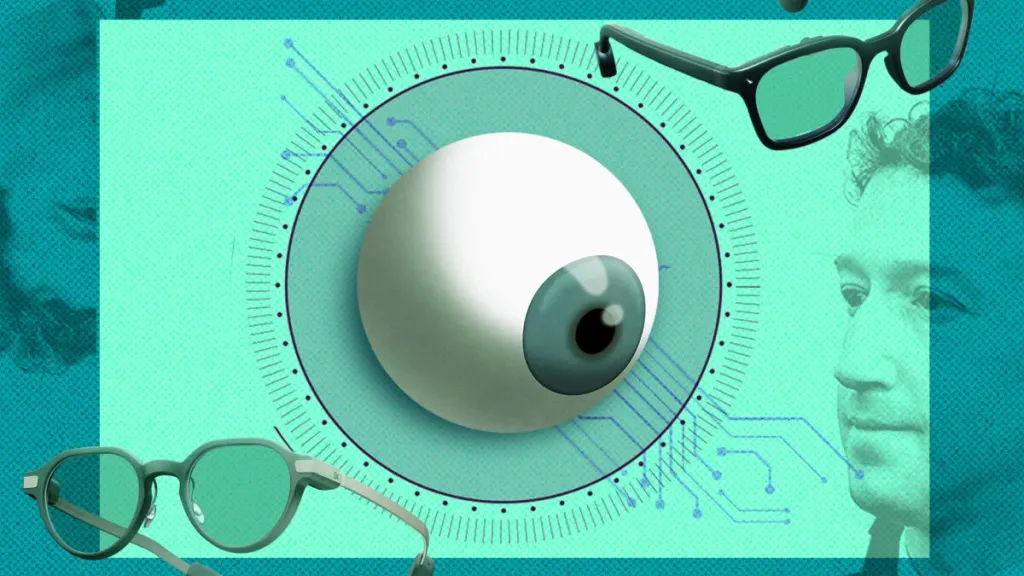
The article discusses the evolution of smart glasses, particularly focusing on the privacy concerns that have arisen since the introduction of Google Glass. Despite the popularity of Meta's Ray-Ban smart glasses, issues related to privacy and misuse have resurfaced. Companies like Even Realities are attempting to address these concerns by creating smart glasses without cameras or speakers, emphasizing user trust and responsible design.
- ▪Meta sold seven million units of its Ray-Ban and Oakley-branded smart glasses in 2025, a significant increase from two million the previous year.
- ▪Privacy issues have been a major concern with smart glasses, including cases of misuse and unauthorized recording.
- ▪Even Realities has developed the Even G2 smart glasses, which do not include cameras or speakers, focusing instead on user privacy.
Opening excerpt (first ~120 words) tap to expand
When Google Glass was unleashed onto the world some 13 years ago, a consensus was quickly reached: smart glasses suck, and anyone who decides to put them on their face sucks just as much for wearing them. Actually, by donning Google Glass, you weren’t just considered a jerk, you were a “Glasshole,” which, if you’re counting mockery on the unofficial scale of ostracization, feels worse. Fast forward to today, and things are very different but, somehow, also utterly unchanged. What’s different this time is that smart glasses are fairly commonplace, thanks in large part to Meta and its Ray-Ban Meta AI glasses, which have been an outlier commercial success in the space.
…
Excerpt limited to ~120 words for fair-use compliance. The full article is at Gizmodo.
Discussion
0 commentsMore from Gizmodo