Bullwhip Effect
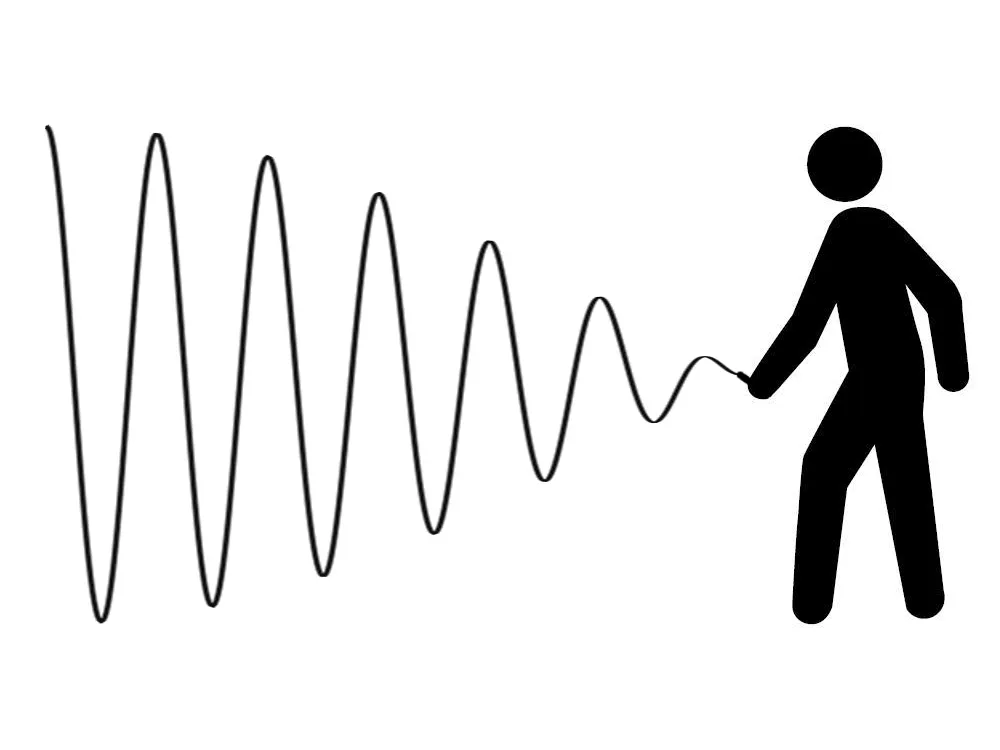
The bullwhip effect is a phenomenon in supply chain management where small changes in consumer demand lead to larger fluctuations in orders placed upstream. This effect can cause significant variability in inventory levels as companies respond to perceived changes in demand. Originating from research by Jay Forrester, it highlights the challenges of accurately forecasting demand and managing inventory.
- ▪The bullwhip effect results in amplified demand variability as one moves upstream in the supply chain.
- ▪A fluctuation in point-of-sale demand of five percent can be interpreted as a change in demand of up to forty percent by supply chain participants.
- ▪The concept was first introduced in Jay Forrester's Industrial Dynamics in 1961.
Opening excerpt (first ~120 words) tap to expand
Toggle the table of contents Bullwhip effect 18 languages العربيةAzərbaycancaDeutschEspañolEestiفارسیFrançaisעבריתItaliano日本語한국어NederlandsNorsk bokmålPortuguêsРусскийSlovenščinaTürkçe中文 Edit links ArticleTalk English ReadEditView history Tools Tools move to sidebar hide Actions Read Edit View history General What links hereRelated changesUpload filePermanent linkPage informationCite this pageGet shortened URL Print/export Download as PDFPrintable version In other projects Wikimedia CommonsWikidata item Appearance move to sidebar hide From Wikipedia, the free encyclopedia Form of distribution marketing .mw-parser-output .ambox{border:1px solid #a2a9b1;border-left:10px solid #36c;background-color:#fbfbfb;box-sizing:border-box}.mw-parser-output .ambox+link+.ambox,.mw-parser-output…
Excerpt limited to ~120 words for fair-use compliance. The full article is at Wikipedia.