Asian currencies wilting in the Iran war’s heat
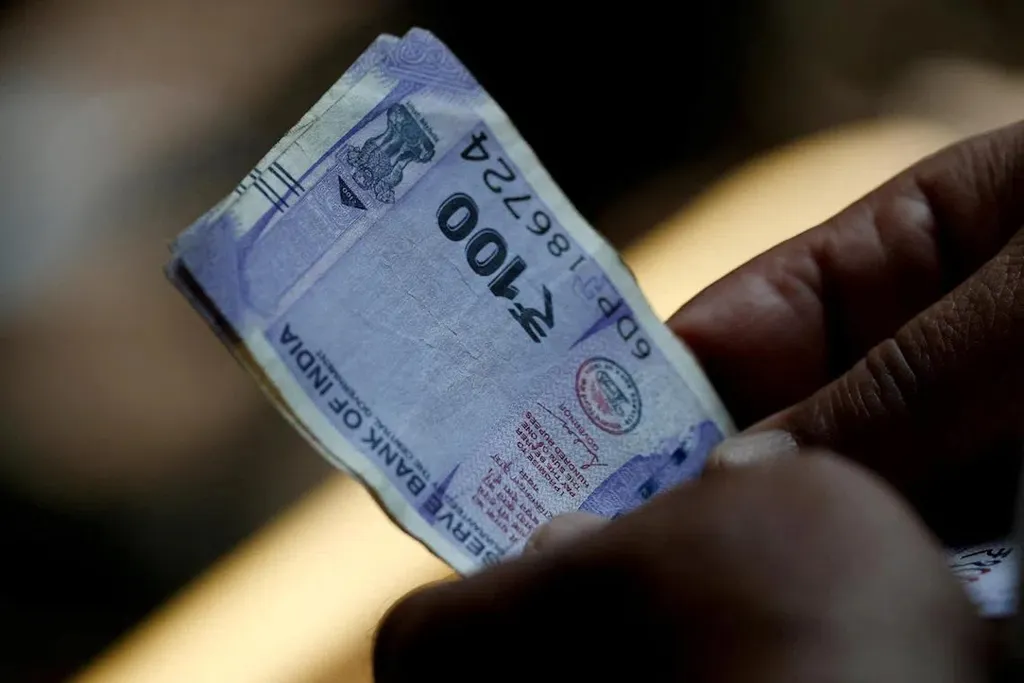
Asian currencies, particularly the Indian rupee and Indonesian rupiah, are under severe pressure due to the ongoing Iran conflict and soaring oil prices above $120 per barrel. Central banks in India and Indonesia are implementing emergency measures, including foreign exchange interventions and tighter regulations, to stabilize their currencies amid capital outflows and energy supply shocks. As the Middle East crisis persists, market anxiety grows over potential recessionary impacts and further depreciation across the region.
- ▪The Indian rupee fell to a record low of 95.34 against the US dollar, prompting the Reserve Bank of India to restrict foreign currency exposure and use its $700 billion reserves for market support.
- ▪Bank Indonesia is tightening monetary policy and intervening in markets as the rupiah approaches 17,000 per US dollar, a level not seen since the 1997-98 Asian financial crisis.
- ▪Central banks are targeting speculative instruments like non-deliverable forwards and limiting rebooking of forex contracts to reduce volatility and capital flight.
- ▪Currency traders assign a 33% probability that the rupiah could weaken to 18,000 per dollar within three months if the Iran conflict continues.
- ▪Japan reportedly intervened in the foreign exchange market for the first time since 2024, causing the yen to surge up to 3% in a single day.
Opening excerpt (first ~120 words) tap to expand
TOKYO – India and Indonesia aren’t often at the center of the global financial zeitgeist. But as the rupee and rupiah lead Asian currencies down and down, events in Mumbai and Jakarta speak to the ways the Iran war is imperiling economies everywhere – and at an accelerating rate. In the two months since bombs first fell on Tehran, Asian governments have been racing to sandbag financial systems from energy supply shocks. They’ve restricted fuel use, amped up subsidies, made the biggest work-from-home pivot since the Covid-19 crisis and dispatched diplomats to secure other oil sources.
…
Excerpt limited to ~120 words for fair-use compliance. The full article is at Asia Times.
Discussion
0 commentsMore from Asia Times