Are we overthinking post-quantum cryptography? (2025)
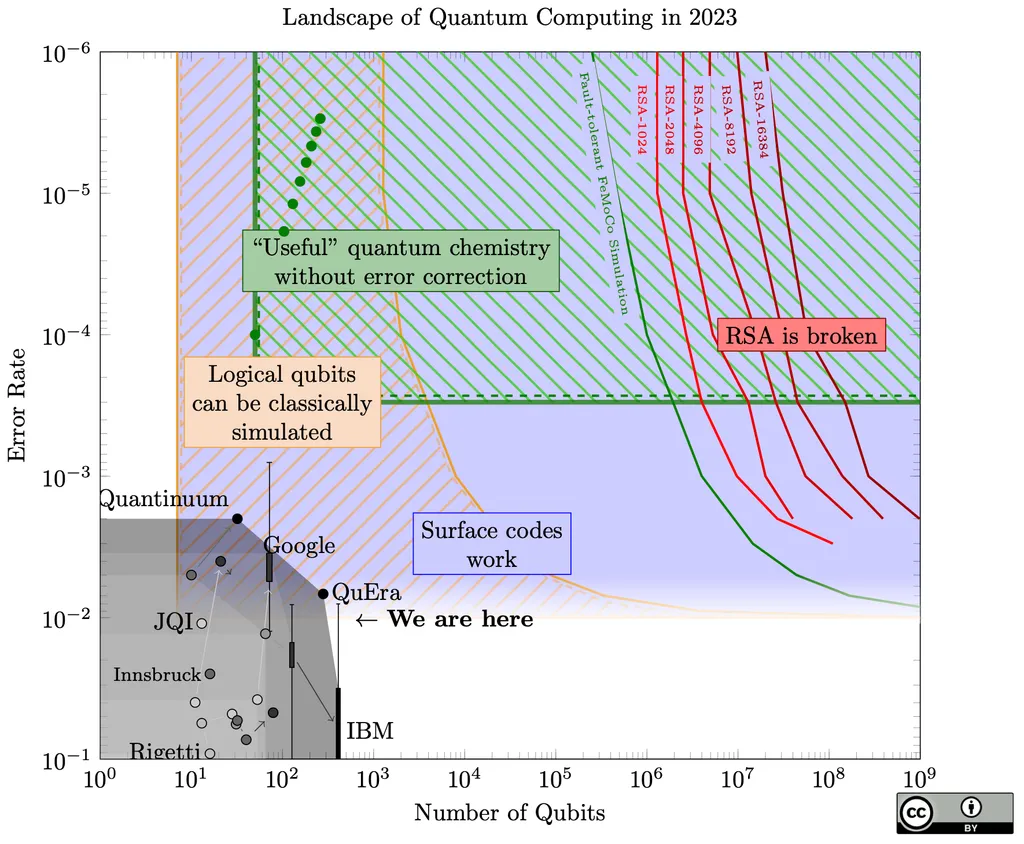
The article discusses the implications of quantum computing on current cryptographic systems. It highlights the potential risks posed by quantum algorithms like Shor's, which could compromise widely used encryption methods. The author suggests a cautious approach to adopting post-quantum cryptography, weighing the risks against the practicality of implementation.
- ▪Quantum computing could potentially break existing public key cryptography methods like RSA and Diffie-Hellman.
- ▪NIST is working on standardizing post-quantum cryptographic algorithms, but many proposed solutions have significant drawbacks.
- ▪The transition to post-quantum cryptography may be challenging due to the increased size of signatures and keys compared to classical algorithms.
Opening excerpt (first ~120 words) tap to expand
tl;dr: yes, contra thingamajig’s law of wotsits. Before the final nail has even been hammered on the coffin of AI, I hear the next big marketing wave is “quantum”. Quantum computing promises to speed up various useful calculations, but is also potentially catastrophic to widely-deployed public key cryptography. Shor’s algorithm for a quantum computer, if realised, will break the hard problems underlying RSA, Diffie-Hellman, and Elliptic Curve cryptography—i.e., most crypto used for TLS, SSH and so on. Although “cryptographically-relevant” quantum computers (CRQCs) still seem a long way off (optimistic roadmap announcements and re-runs of previously announced “breakthroughs” notwithstanding), for some applications the risk is already real.
…
Excerpt limited to ~120 words for fair-use compliance. The full article is at Neil Madden.
Discussion
0 commentsMore from Neil Madden