Arctic Sea Ice Helped Some Bowhead Whales Survive Centuries of Industrial Whaling
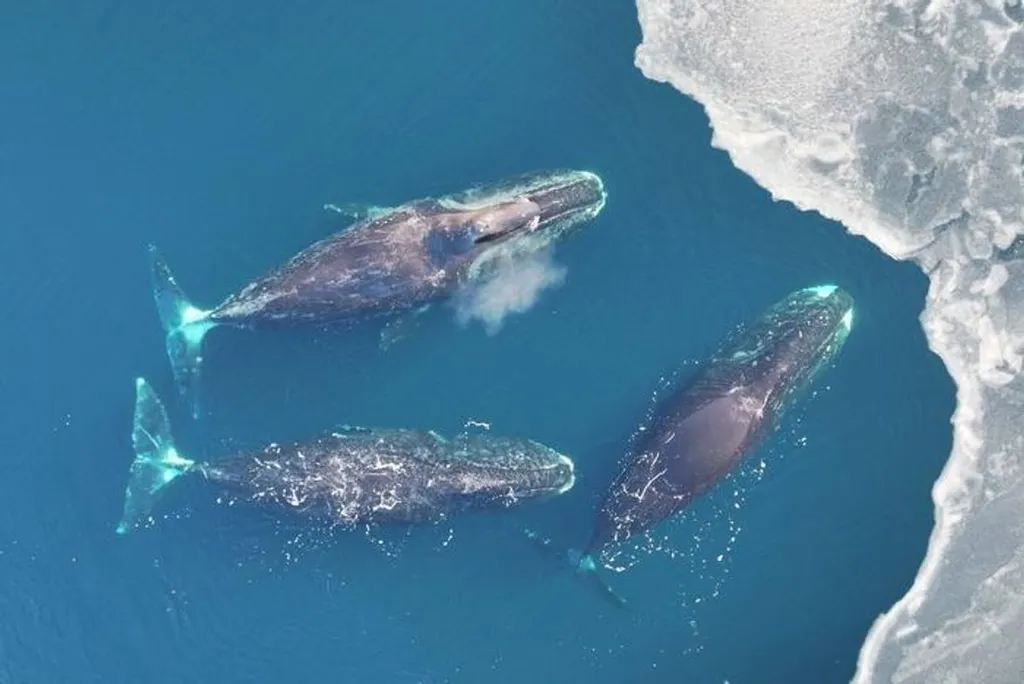
A new study reveals that Arctic sea ice played a crucial role in the survival of some bowhead whale populations during industrial whaling. The research indicates that whales in harder-to-reach areas were less exposed to hunting, allowing those populations to recover more quickly. In contrast, populations that were more accessible to whalers are still struggling to rebound.
- ▪Thick Arctic sea ice acted as a natural barrier to industrial whaling, limiting ship access to certain habitats.
- ▪Bowhead whale populations in protected zones are recovering faster than those in heavily hunted areas.
- ▪Only two of the four bowhead whale populations are currently rebounding significantly, while others remain small.
Opening excerpt (first ~120 words) tap to expand
Some bowhead whales are making a comeback. Others aren’t, and the difference may come down to where ships couldn’t go and what those unreachable waters protected.A new study published in Proceedings of the National Academy of Sciences finds that thick Arctic sea ice once acted as a natural barrier to industrial whaling, limiting how far ships could travel and which habitats they could reach. Some whale populations were partially shielded from the most intense hunting simply because they lived in places that were harder and riskier to access.
…
Excerpt limited to ~120 words for fair-use compliance. The full article is at Discover Magazine.
Discussion
0 commentsMore from Discover Magazine