Antarctic plants may face a growing fungal threat from warming soils
Antarctic plants are at risk from increasing fungal threats due to warming soils. As temperatures rise, the diversity and abundance of pathogenic fungi are expected to increase significantly by 2100. This could lead to greater damage to the fragile plant community in the region.
- ▪Warming weather is expected to melt ice in Antarctica, allowing for more plant life.
- ▪Pathogenic fungi such as Microdochium nivale may thrive in the newly exposed soils.
- ▪Research indicates that the occurrence of these fungi could double in some coastal Antarctic soils by 2100.
Opening excerpt (first ~120 words) tap to expand
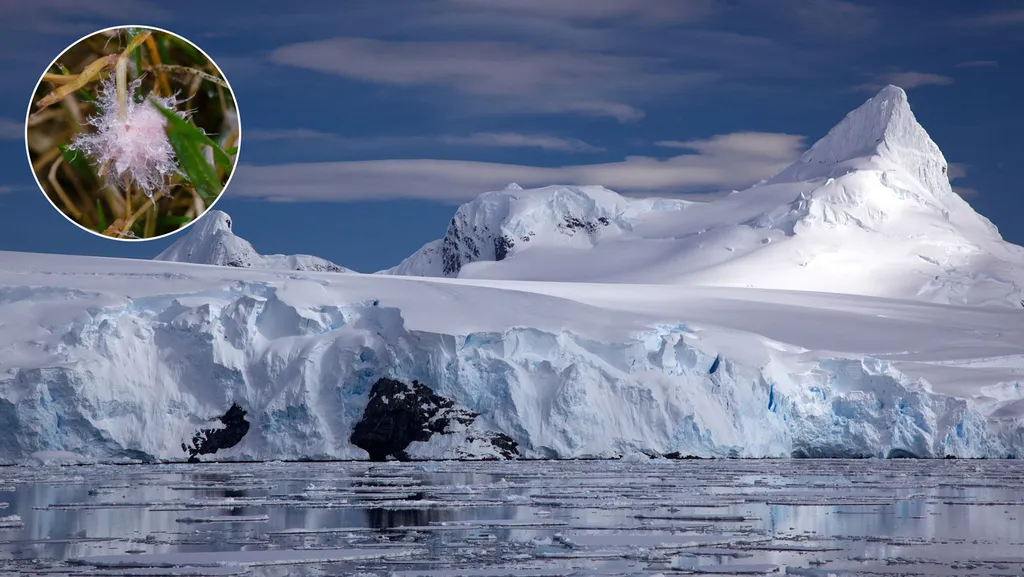
News Climate Antarctic plants may face a growing fungal threat from warming soils Under high-emissions scenarios, the fungi could roughly double in the region by 2100 Most of Antarctica is blanketed in snow and ice. Warming weather will melt some of the ice, opening up more land to plant life — and to pathogenic fungi such as Microdochium nivale (inset) in the soil that can damage those plants. Inset: Mushroom Observer Wikimedia Commons (CC BY 3.0); Jason Auch/Wikimedia Commons (CC BY 2.0) By Carolyn Gramling 32 minutes ago Share this:Share Share via email (Opens in new window) Email Share on Facebook (Opens in new window) Facebook Share on Reddit (Opens in new window) Reddit Share on X (Opens in new window) X Print (Opens in new window) Print Global warming will expand the tiny Antarctic…
Excerpt limited to ~120 words for fair-use compliance. The full article is at Science News.
Discussion
0 commentsMore from Science News