‘Anomalous’ Earthquakes Have Hit Utah for Decades. Geologists Are Finally Closing in on an Answer
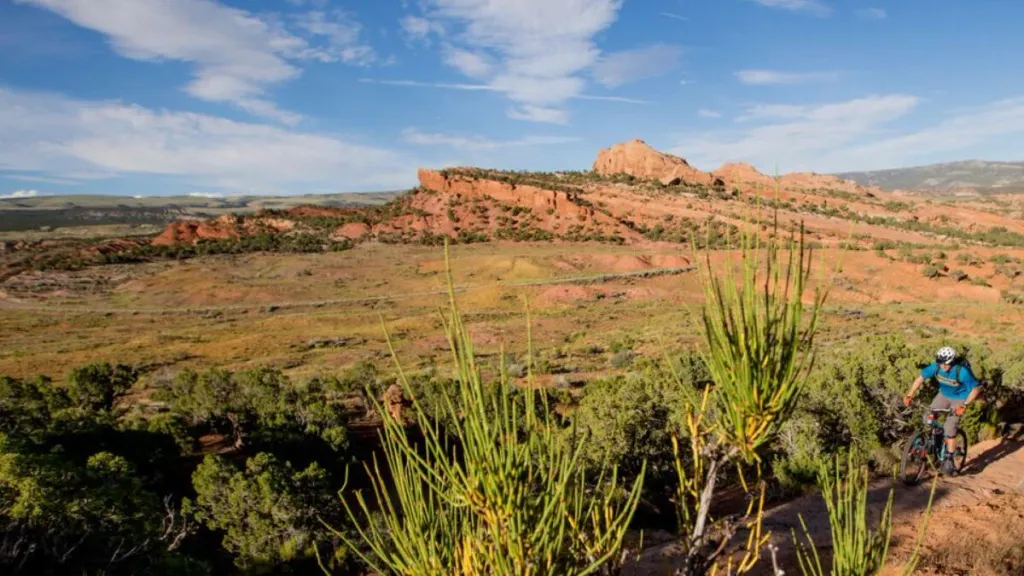
Researchers have identified a new category of seismic activity known as 'mantle earthquakes' occurring deep beneath the Earth's surface. These quakes, which can reach depths of 43 to 55 miles, have been documented in Utah, including a notable 3.8 magnitude quake in 1979 that went unnoticed by residents. The findings, led by geophysicist Keith Koper, reveal that these deep quakes occur under unique conditions and are characterized by their lack of aftershocks and unusual geological origins.
- ▪The 1979 earthquake in Randolph, Utah, was a 3.8 magnitude event that went unreported by residents.
- ▪Researchers have categorized these deep seismic events as 'mantle earthquakes' occurring at depths of 43 to 55 miles.
- ▪Geophysicist Keith Koper has confirmed nine cases of these deep mantle quakes, which are characterized by their unique geological conditions.
Opening excerpt (first ~120 words) tap to expand
The tiny town of Randolph, Utah (population: 467), sat atop a deep 3.8 magnitude earthquake in the early morning hours of February 24, 1979—but, mysteriously, none of its residents noticed enough to bother filing a report. Geologists monitoring the quake at the University of Utah Seismograph Stations (UUSS) were baffled. The episode’s modest rumbling was well within the range that typically makes news in states like California all the…
Excerpt limited to ~120 words for fair-use compliance. The full article is at Gizmodo.
Discussion
0 commentsMore from Gizmodo