ALPR Mission Creep: School Residency, Background Checks, and Noise Complaints
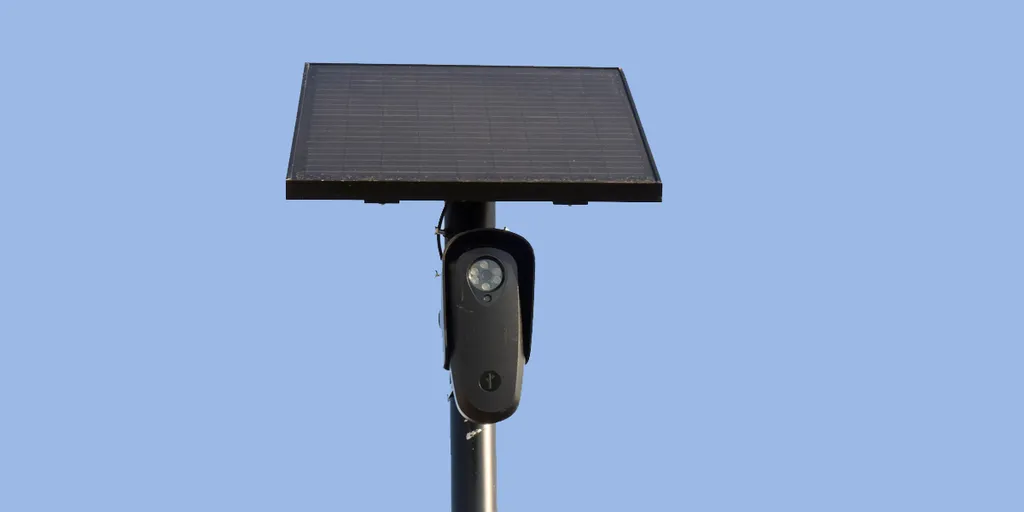
An analysis by the EFF reveals that police are using automated license plate reader (ALPR) data for purposes beyond criminal investigations, including school residency checks and background investigations. This trend highlights a concerning lack of oversight and privacy invasion, as law enforcement agencies access sensitive data without warrants. The findings suggest a significant mission creep in the use of surveillance technology, turning it into a tool for widespread tracking of individuals.
- ▪Law enforcement agencies are using ALPR data for low-level investigations, such as verifying school residency.
- ▪In Buford City Schools, over half of all ALPR searches were related to residency verification.
- ▪The indiscriminate sharing of ALPR data allows for extensive surveillance, raising privacy concerns.
Opening excerpt (first ~120 words) tap to expand
An EFF analysis of millions of searches of Flock Safety automated license plate reader (ALPR) data by police has uncovered a troubling pattern: in the absence of a warrant requirement to search ALPR databases, law enforcement agencies have moved beyond specific investigations to use these surveillance networks for virtually any whim. Our findings suggest that the absence of a warrant requirement has fostered a culture of unrestricted access to sensitive location data, allowing agencies to leverage that data beyond the scope of specific criminal investigations.
…
Excerpt limited to ~120 words for fair-use compliance. The full article is at Electronic Frontier Foundation.
Discussion
0 commentsMore from Electronic Frontier Foundation