Albie Amankona: What elites get wrong about Unite the Kingdom and pro-Palestine marches
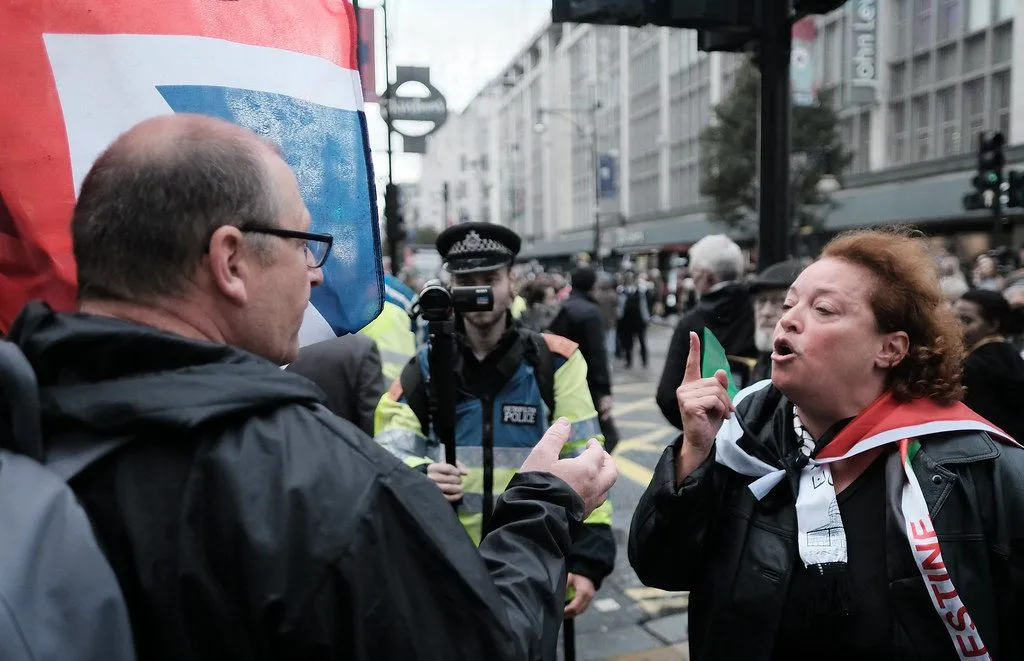
Albie Amankona reflects on the Unite the Kingdom march, highlighting the complex atmosphere that blended elements of hostility and familiarity. While there were clear instances of racism and extremism, he notes that many participants seemed to express a more benign form of patriotism. He argues that dismissing these expressions as mere bigotry overlooks a deeper desire among some to celebrate their national identity.
- ▪The Unite the Kingdom march featured examples of racism and islamophobia, including anti-Muslim harassment.
- ▪Despite the presence of extremists, many attendees expressed a form of patriotism that felt familiar to the author.
- ▪Amankona criticizes elite perceptions of working-class patriotism as solely bigoted, advocating for a more inclusive understanding.
Opening excerpt (first ~120 words) tap to expand
Albie Amankona is a broadcaster, financial analyst, vice-chair of LGBT+ Conservatives, and co-founder of Conservatives Against Racism I accidentally walked through the Unite the Kingdom march on my way to the spa at a members’ club. As opening lines go for an attack on elites, this is not ideal. Yet it also gave me a better sense of the crowd than much of the commentary produced by people denouncing it from the comfort of their chaise longues. There were examples of racism and islamophobia; women on stage theatrically removed burqas to applause; performers draped bacon over themselves to mock Muslims; placards seemed to promote antisemitic conspiracy theories; people called for “total remigration” and to ‘remove Islam from public life’.
…
Excerpt limited to ~120 words for fair-use compliance. The full article is at ConservativeHome.
Discussion
0 commentsMore from ConservativeHome