AI Helps Researchers Identify 3,000-Year-Old Scribes From 5 Million Ancient Cuneiform Symbols
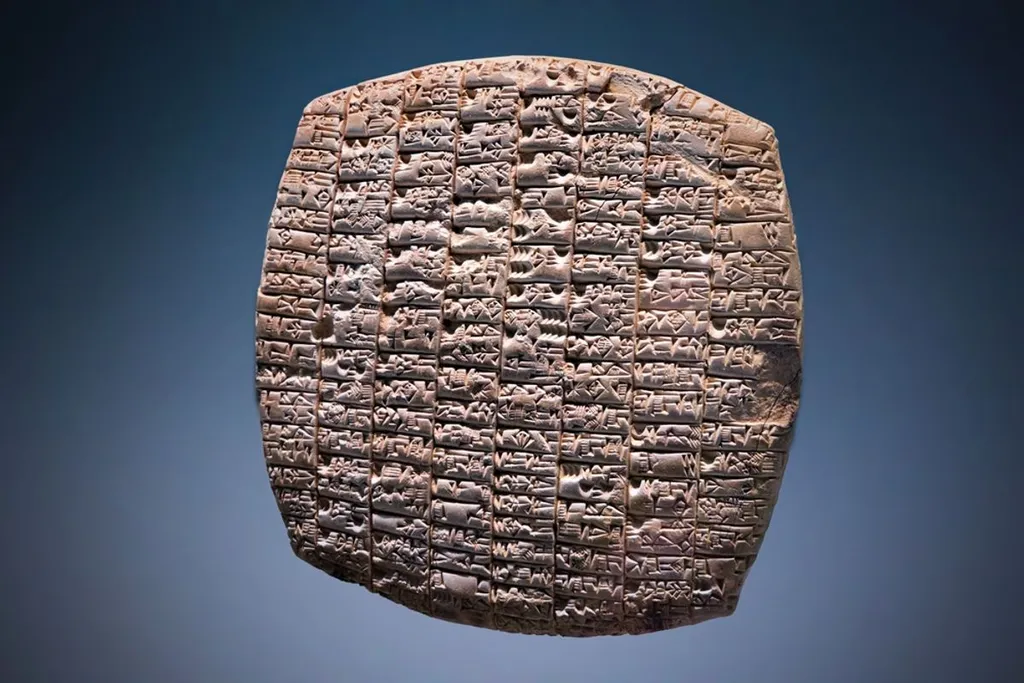
Researchers have developed an AI tool called the Palaeographicum to identify individual scribes from ancient cuneiform tablets. This system can analyze over five million cuneiform characters, significantly speeding up the process of reconstructing fragmented tablets. The tool aims to enhance the understanding of Hittite writing culture and the careers of individual scribes.
- ▪The Palaeographicum can isolate cuneiform symbols and group similar styles, allowing for side-by-side comparisons.
- ▪What once took researchers three days to compare handwriting can now be accomplished in about five minutes.
- ▪The AI model is part of ongoing efforts to improve digital tools for Hittite studies and may help estimate the production dates of undated tablets.
Opening excerpt (first ~120 words) tap to expand
Some ancient scribes pressed harder into wet clay. Others left tiny flourishes behind when lifting their stylus from the tablet surface. More than 3,000 years later, those habits are helping researchers recognize individual writers again.Researchers studying cuneiform tablets from the Hittite Empire have developed an AI-powered tool capable of identifying handwriting patterns across millions of ancient signs, helping scholars reconnect shattered tablet fragments and distinguish one scribe’s work from another.The system, called the Palaeographicum, currently has access to more than five million cuneiform characters preserved across roughly 70,000 photographs.
…
Excerpt limited to ~120 words for fair-use compliance. The full article is at Discover Magazine.
Discussion
0 commentsMore from Discover Magazine