AI guardians: Bridging digital innovation and sustainability for cleaner water
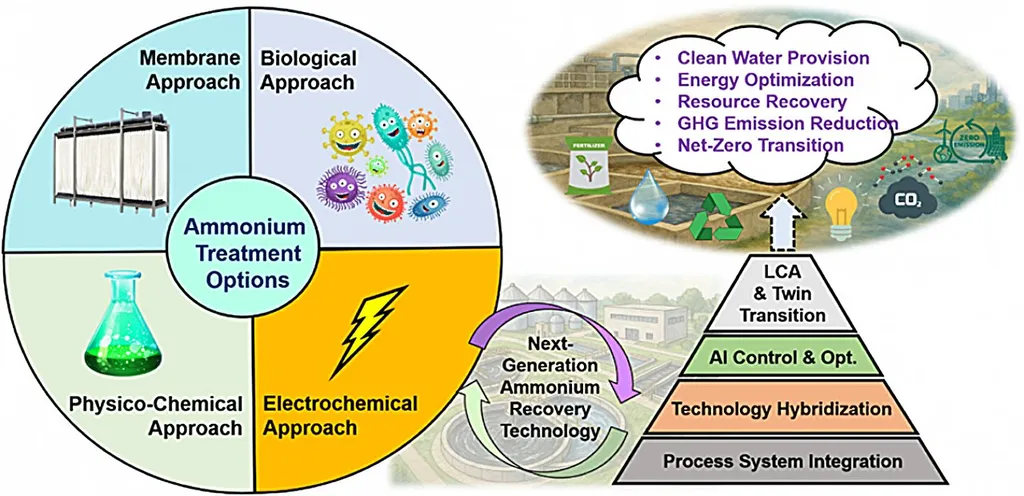
Researchers have developed a framework that utilizes artificial intelligence to enhance wastewater treatment processes. This approach, termed the 'twin transition,' aims to improve environmental safety while maximizing resource recovery. The study emphasizes the importance of integrating digital innovation with sustainable practices in wastewater management.
- ▪The twin transition combines green transformation with digital transformation in wastewater management.
- ▪AI tools can help monitor and optimize wastewater treatment systems in real time.
- ▪Proper management of ammonia-nitrogen can support a circular economy by allowing for nutrient recovery.
Opening excerpt (first ~120 words) tap to expand
May 16, 2026 AI guardians: Bridging digital innovation and sustainability for cleaner water by National Taiwan University edited by Lisa Lock, reviewed by Andrew Zinin Lisa Lock Scientific Editor Meet our editorial team Behind our editorial process Andrew Zinin Lead Editor Meet our editorial team Behind our editorial process Editors' notes This article has been reviewed according to Science X's editorial process and policies. Editors have highlighted the following attributes while ensuring the content's credibility: fact-checked peer-reviewed publication trusted source proofread The GIST Add as preferred source Twin transition to close the nitrogen cycle in wastewater management. Credit: Water Research (2026).
…
Excerpt limited to ~120 words for fair-use compliance. The full article is at Phys.org.
Discussion
0 commentsMore from Phys.org