Against the Imperial Press
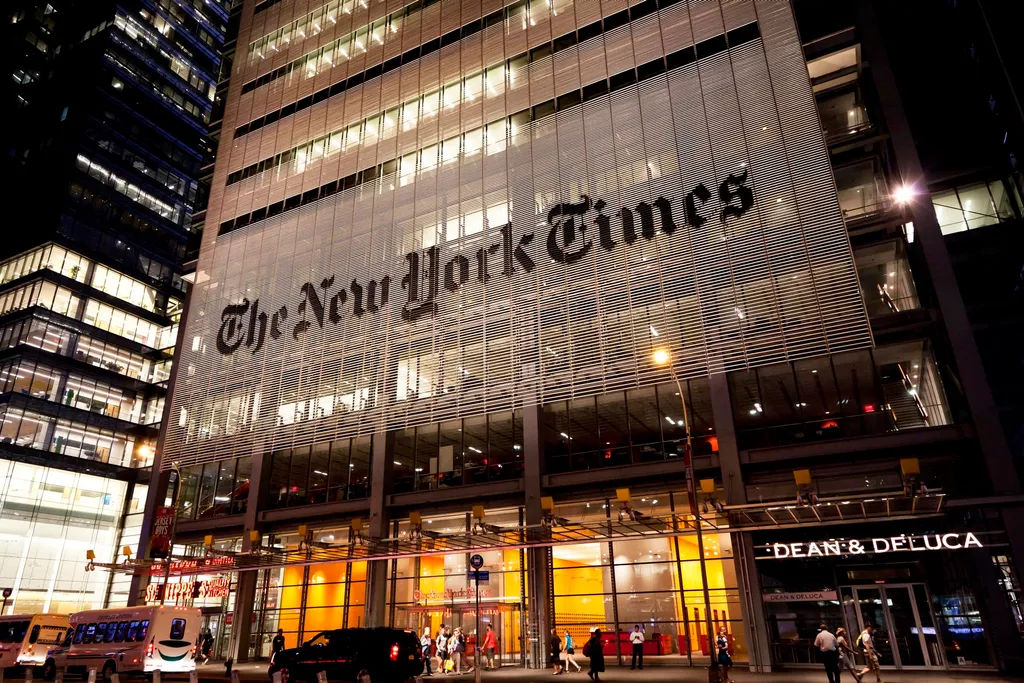
The article critiques the contemporary press's claims of special privileges under the First Amendment. It argues that these assertions often lack constitutional basis and highlights the recent remarks of New York Times publisher A.G. Sulzberger as an example. The author contends that the press should be held accountable like any other entity and that criticisms of the media should not be dismissed as attacks on press freedom.
- ▪Justice Joseph Story warned against an exaggerated conception of press freedom in 1833.
- ▪A.G. Sulzberger claims the press is under assault by President Trump, but the author argues this reflects a misunderstanding of constitutional rights.
- ▪The article suggests that the press's declining public trust may stem from its own misconduct rather than external attacks.
Opening excerpt (first ~120 words) tap to expand
Salvo 05.29.2026 4 minutes Against the Imperial Press Carson Holloway The Constitution does not grant them special privileges. Writing in 1833, Justice Joseph Story, one of the greatest jurists of the early republic, warned against a dangerously exaggerated conception of the freedom of the press. “There is,” Story observed in his Commentaries on the Constitution of the United States, “a good deal of loose reasoning on the subject of the liberty of the press, as if its inviolability were constitutionally such, that, like the king of England, it could do no wrong, and was free from every inquiry, and afforded a sanctuary for every abuse; that, in short, it implied a despotic sovereignty to do every sort of wrong, without the slightest accountability to private or public justice.” This idea,…
Excerpt limited to ~120 words for fair-use compliance. The full article is at The American Mind.
Discussion
0 commentsMore from The American Mind