Aboriginal violence is Australia’s blindspot
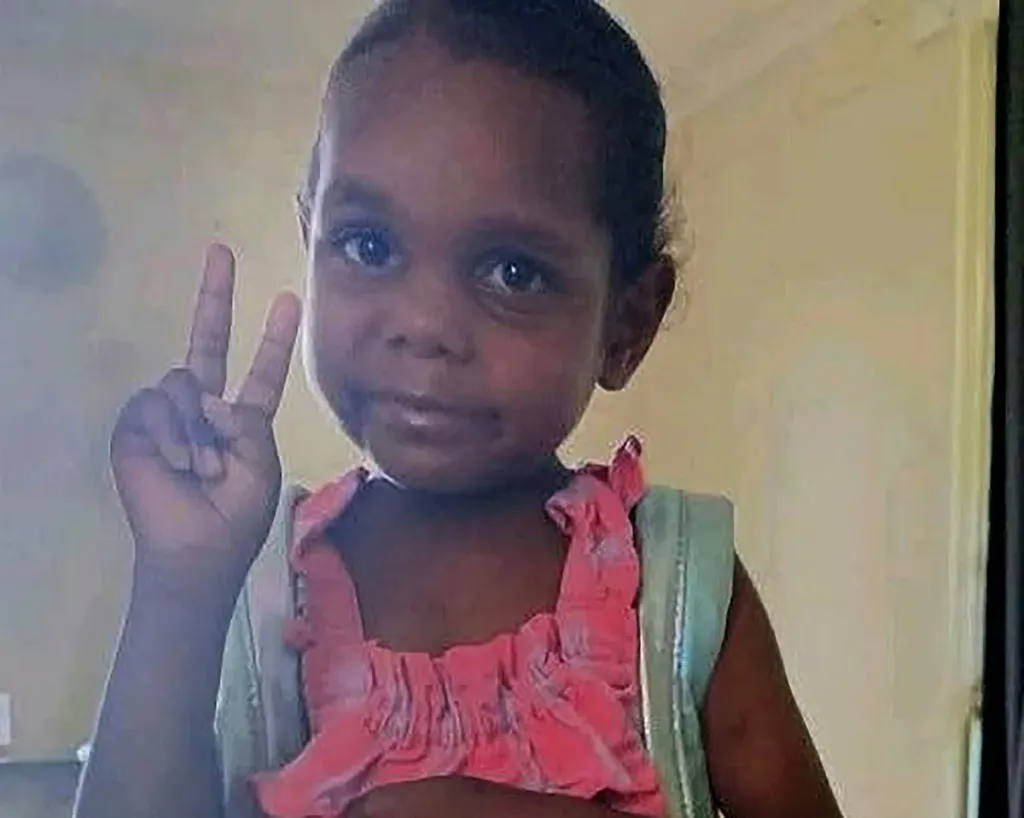
The tragic death of Kumanjayi Little Baby, a five-year-old Aboriginal girl, has reignited discussions about violence and disadvantage in Indigenous communities in Australia. Her disappearance and subsequent discovery of her body have led to public outrage and riots, highlighting the complexities surrounding Indigenous policy and community responses. The incident has prompted calls for a more honest dialogue about violence in these communities and the political stalemate following the failed referendum on Indigenous representation.
- ▪Kumanjayi Little Baby was reported missing on April 25, 2026, and her body was found five days later.
- ▪The girl had been the subject of multiple child safety notifications prior to her disappearance.
- ▪Her death has sparked riots and demands for traditional justice against the man charged with her murder.
Opening excerpt (first ~120 words) tap to expand
Aboriginal violence is Australia’s blindspot A child’s death has revived old tensions She was very much loved: Kumanjayi Little Baby. (Northern Territory Police) She was very much loved: Kumanjayi Little Baby. (Northern Territory Police) Aboriginal AustraliansAustraliaindigenous peoplePoliticsViolence Julie Szego May 21 2026 - 12:02am 7 mins Last month, as Australia commemorated Anzac Day and the disaster at Gallipoli, a very modern tragedy was unfolding in the country’s Red Center. Kumanjayi Little Baby, a five-year-old Aboriginal girl, lived in Old Timers Creek, a town camp of nine houses on the outskirts of Alice Springs. She slept in a dilapidated building on a ripped and stained mattress, surrounded by empty bottles of bourbon.
…
Excerpt limited to ~120 words for fair-use compliance. The full article is at UnHerd.