'A significant threat': These tiny 'trained' robots can catch invisible plastic dust in your drinking water
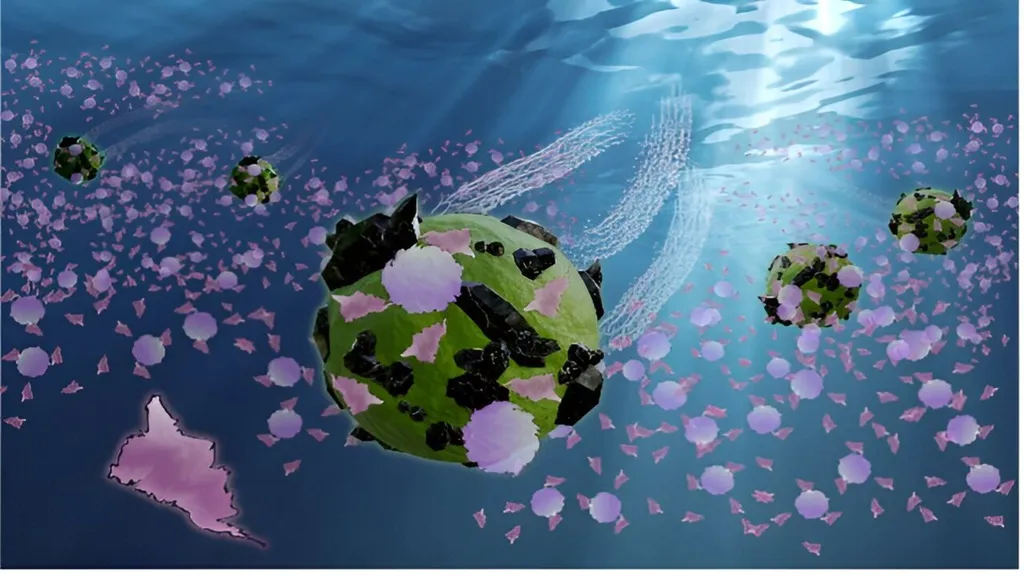
Nanoplastics in drinking water pose a significant health risk due to their ability to bypass conventional filters and enter human organs. Researchers at Brno University of Technology have developed electrostatic nanorobots that actively seek and capture these tiny plastic particles. The robots use magnetic control and porous hexagonal rods to trap nanoplastics without requiring fuel or light.
- ▪Nanoplastics are small enough to pass through traditional water filters and can accumulate in human organs.
- ▪The nanorobots use electrostatic attraction to bind to nanoplastics, similar to how a balloon sticks to hair.
- ▪Each nanorobot is made of iron-based metal-organic frameworks with pores that capture plastic particles.
- ▪Magnetic guidance allows the robots to move precisely through water without external energy sources like light or fuel.
- ▪The study detailing this technology was published in the journal Environmental Science: Nano.
Opening excerpt (first ~120 words) tap to expand
Pro 'A significant threat': These tiny 'trained' robots can catch invisible plastic dust in your drinking water News By Efosa Udinmwen published 28 April 2026 Electrostatic nanorobots chase and capture nanoplastics When you purchase through links on our site, we may earn an affiliate commission. Here’s how it works. (Image credit: AzoNano) Copy link Facebook X Whatsapp Reddit Pinterest Flipboard Threads Email Share this article 0 Join the conversation Follow us Add us as a preferred source on Google Newsletter Subscribe to our newsletter Tiny robots actively chase nanoplastics instead of waiting for contactElectrostatic attraction lets nanobots grab plastic-like charged surfacesMagnetic control allows precise movement without fuel or lightThere is a lot of plastic waste in the world,…
Excerpt limited to ~120 words for fair-use compliance. The full article is at TechRadar.
Discussion
0 commentsMore from TechRadar