"A Digital Prison": Surveillance and the suppression of civil society in Serbia
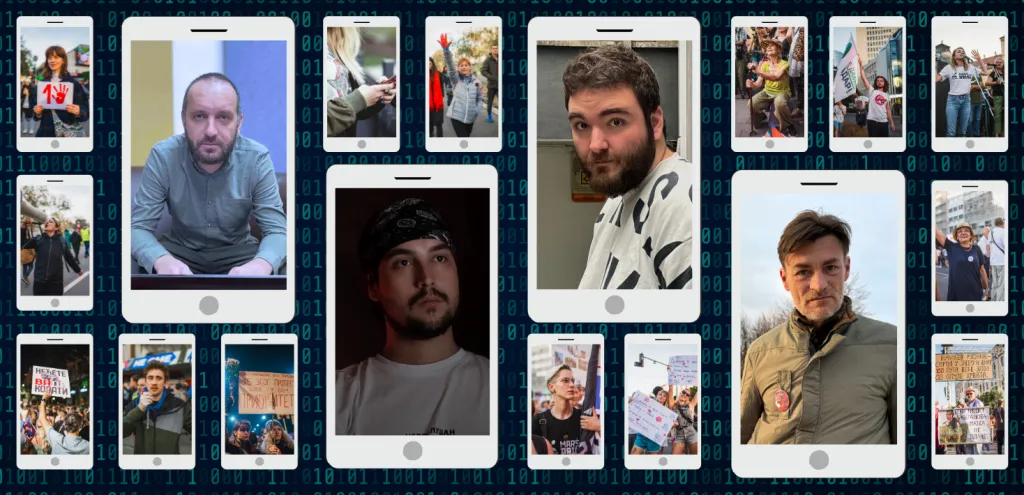
Amnesty International's report highlights the extensive surveillance and suppression of civil society in Serbia. It details the case of journalist Slaviša Milanov, whose phone was hacked using Cellebrite technology and a new spyware called NoviSpy. The report underscores the broader implications of digital repression in Serbia, where state control over civil society is increasingly tightening.
- ▪Slaviša Milanov, an independent journalist, experienced suspicious activity on his phone after a police encounter.
- ▪Amnesty International discovered that Cellebrite technology was used to unlock his device without due process.
- ▪The report reveals the use of multiple spyware forms and highlights the oppressive surveillance environment in Serbia.
Opening excerpt (first ~120 words) tap to expand
This is the Executive Summary of Amnesty International’s report on surveillance and the suppression of civil society in Serbia. Please click here for the full report in PDF format. You can read the Executive Summary in Serbian, French or Spanish. Spyware threats facing Serbian civil societyNoviSpy spyware connects back to BIAMisuse of Cellebrite Digital Forensic ToolsCrackdown on civic space in SerbiaSerbia’s inadequate legal and oversight frameworkChilling effectHuman rights responsibilities of companies and other partiesConclusions and recommendationsPreviousNext In February 2024, Slaviša Milanov, an independent journalist from Dimitrovgrad in Serbia who covers local interest news stories, was brought into a police station after a seemingly routine traffic stop.
…
Excerpt limited to ~120 words for fair-use compliance. The full article is at Amnesty International Security Lab.
Discussion
0 commentsMore from Amnesty International Security Lab