73-Million-Year-Old Teeth Reveal Three New Mammal Species That Lived in the Arctic, Among Dinosaurs
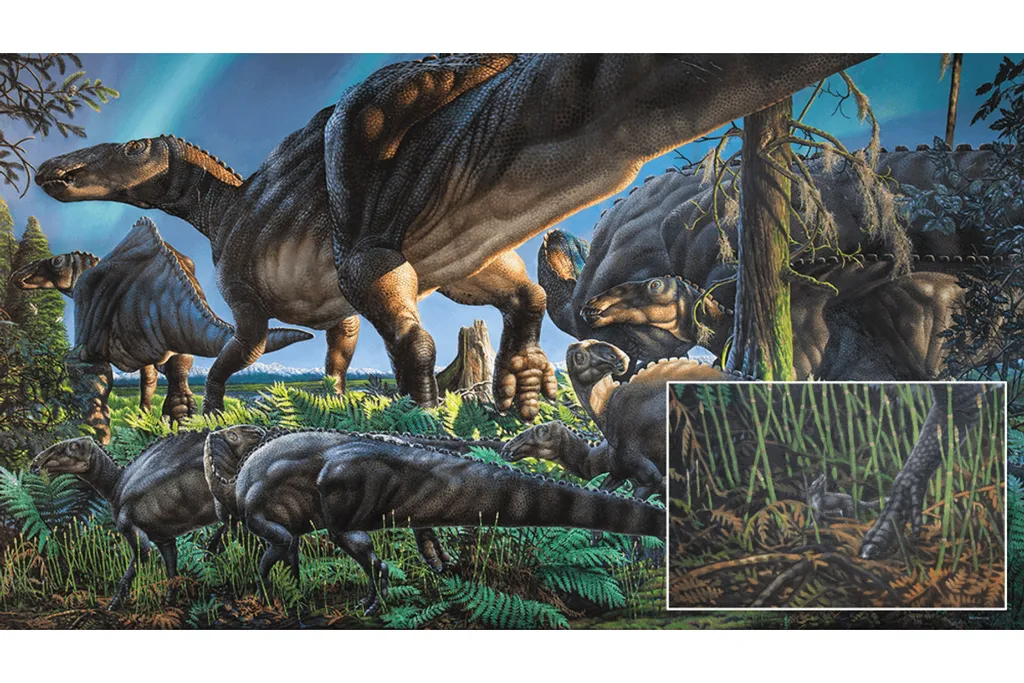
Fossilized teeth from the Arctic have led to the identification of three new mammal species that lived alongside dinosaurs 73 million years ago. These small mammals, part of the multituberculate group, thrived in a harsh Arctic environment. Their discovery provides new insights into prehistoric biodiversity and the adaptability of species in extreme conditions.
- ▪The newly identified species are named Camurodon borealis, Qayaqgruk peregrinus, and Kaniqsiqcosmodon polaris.
- ▪These mammals likely adapted to their environment by having varied diets, which may have helped them survive the mass extinction event.
- ▪The findings suggest that there was a land corridor between Asia and North America that allowed for the migration of these species.
Opening excerpt (first ~120 words) tap to expand
Fossilized teeth from the Prince Creek Formation in the Arctic Circle have been assigned to three newly identified mammal species that likely walked among dinosaurs about 73 million years ago. The findings, published in the Proceedings of the National Academy of Sciences (PNAS), suggest that these small, rodent-sized mammals — ranging in size from a mouse to a rat — once lived in what is now northern Alaska and may have settled in the area after traveling from what is now modern-day Mongolia.
…
Excerpt limited to ~120 words for fair-use compliance. The full article is at Discover Magazine.
Discussion
0 commentsMore from Discover Magazine