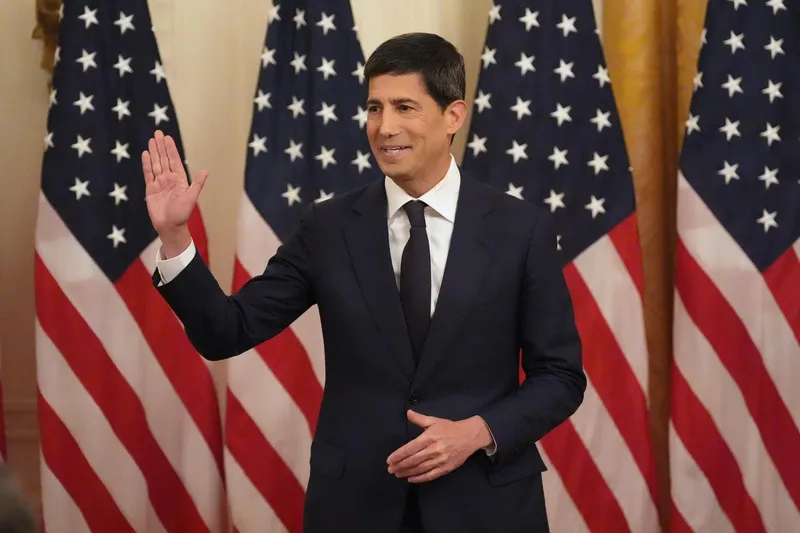
Warsh takes the Fed's helm with a policy dilemma already unfolding
AI bias-comparison
Kevin Warsh has been appointed as the new chair of the U.S. Federal Reserve, stepping into a complex economic landscape marked by inflation concerns and external pressures. His previous critiques of the Fed's strategies and his connections to former President Donald Trump are highlighted as significant aspects of his leadership approach. This information is consistent across multiple reports, including those from Reuters.
Coverage diverges in the emphasis placed on Warsh's past criticisms and political ties. The Globe and Mail focuses on the challenges Warsh faces regarding inflation and external shocks, framing the story around the economic implications of his leadership. In contrast, the Korea Times leads with Warsh's political connections and critiques of the Fed, suggesting a more politically charged narrative. Reuters maintains a neutral tone, presenting the facts without delving deeply into either aspect.
No outlet has explored the potential implications of Warsh's appointment on future monetary policy or the perspectives of economists who may support or oppose his views. This absence leaves a gap in understanding how his leadership might influence the Fed's direction and the broader economic landscape, which is particularly relevant given the current inflationary environment.
Headline framing
The headlines report on the leadership change at the Federal Reserve, emphasizing existing policy challenges without partisan bias.
Coverage by perspective
Center · 2 sources

Wire (factual) · 1 source
Bias ratings: AllSides Media Bias Chart + Ad Fontes + MBFC consensus. AI comparison: Cerebras Llama 3.3-70B with light editorial prompt. No paywall, no tracking, reader-funded — support →