J. Craig Venter, Scientist Who Decoded the Human Genome, Dies at 79
AI bias-comparison
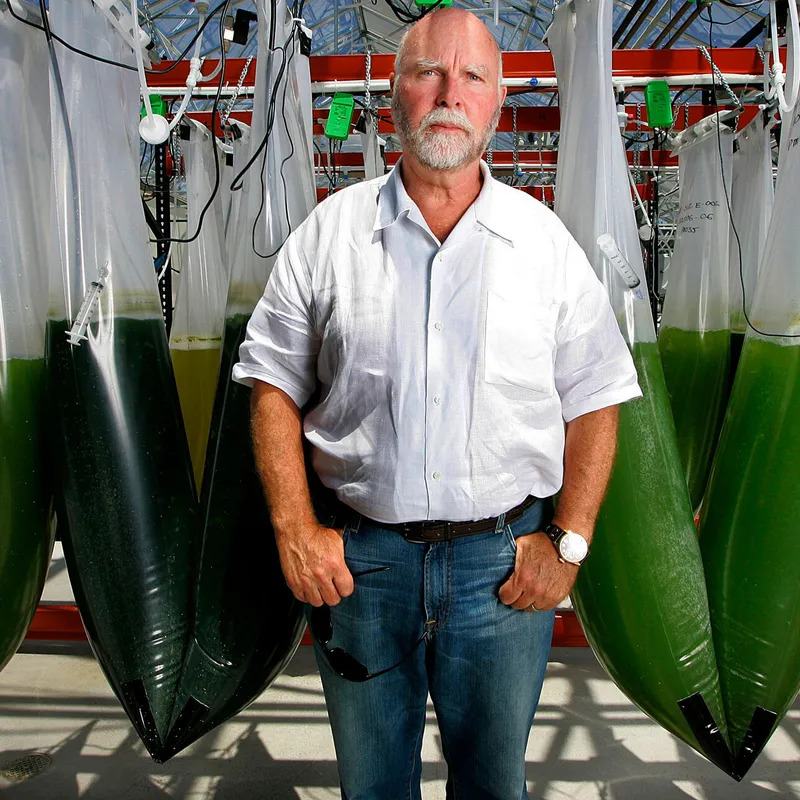
J. Craig Venter, a prominent geneticist known for his role in sequencing the human genome and creating the first synthetic cell, died at the age of 79. His work significantly accelerated the pace of genomic research and contributed to major advances in biotechnology. Major outlets confirmed his death, though specific details about the cause or location were not provided in initial reports.
Coverage diverges in emphasis: The New York Times and NPR, both left-leaning, highlight Venter’s role in the human genome project and his disruptive, competitive approach, with the Times underscoring the controversy he sparked. NPR focuses on the scientific impact of his “whole genome shotgun method.” In contrast, Boing Boing, a centrist outlet, centers its framing on Venter’s 2010 creation of a synthetic cell, portraying him as a bioengineering pioneer and emphasizing his more futuristic, experimental work.
No outlet includes perspectives from bioethicists or critics who raised concerns about the implications of synthetic life or gene patenting during Venter’s career. This omission represents a blind spot particularly on the left-leaning side, which focuses on scientific achievement but does not engage with broader ethical debates his work provoked.
Headline framing
Headlines vary in focus—genome decoding versus synthetic cell creation—with left-leaning outlets using more valorizing language like 'pioneering' and 'decoded,' while the center outlet uses a technical metaphor, 'booted up.'
Coverage by perspective
Lean Left · 2 sources
Center · 1 source
Bias ratings: AllSides Media Bias Chart + Ad Fontes + MBFC consensus. AI comparison: Cerebras Llama 3.3-70B with light editorial prompt. No paywall, no tracking, reader-funded — support →